Japan stretches over 3,000 kilometers from north to south. That's roughly the distance from Maine to Florida. And like the US east coast, the climate changes dramatically along that span. What works in Sapporo won't work in Kagoshima. What saves you money in Hokkaido might cost you in Okinawa. Below, we've broken the country into six distinct climate zones for relocators, with the rent ranges, utility costs, and health factors you need to know.
1. Hokkaido Zone — Subarctic Winter, Perfect Summer
Cities: Sapporo, Asahikawa, Hakodate, Otaru
Climate type: Humid continental / subarctic
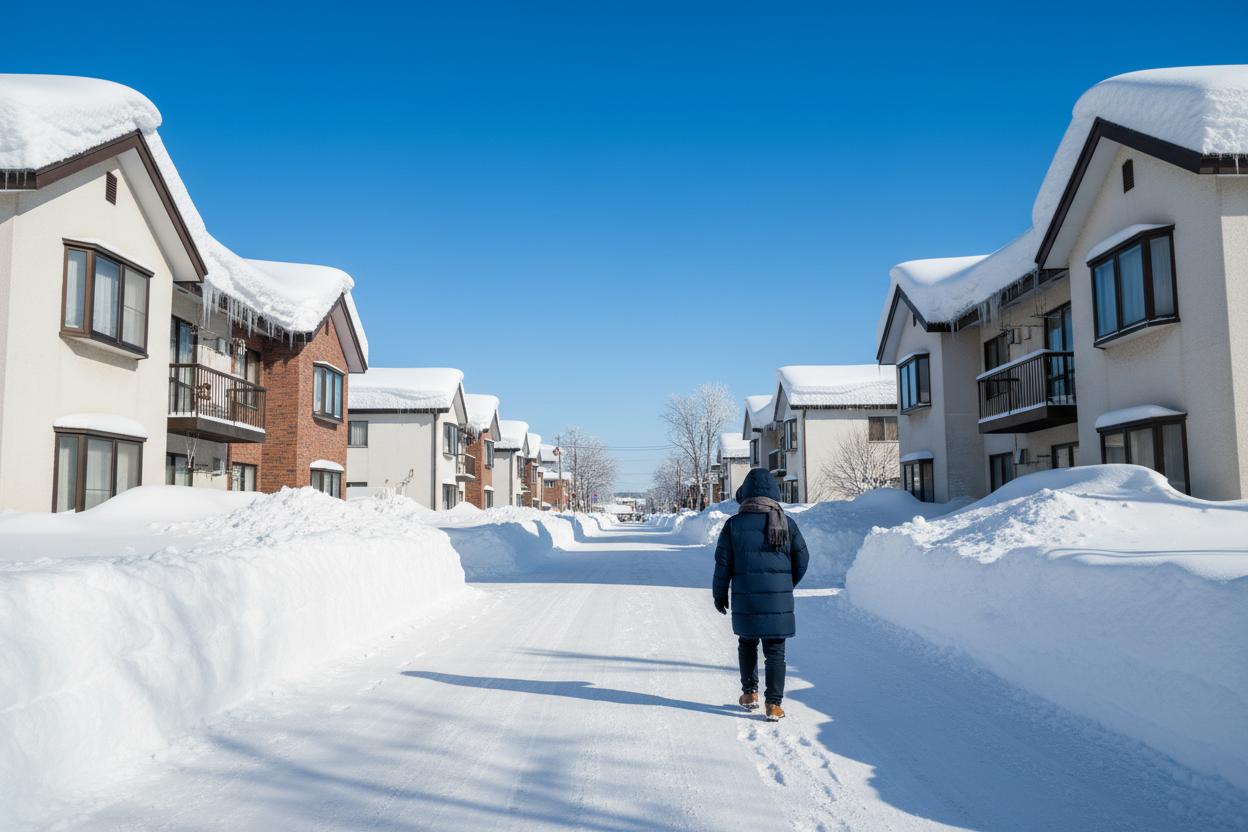
Hokkaido is the only place in Japan that feels like it has real central heating. Buildings here are insulated. Properly insulated. Windows are double-pane. Entrance halls have airlocks. This isn't because Hokkaido people are fancy — it's because the alternative is freezing to death in January when it's -15°C outside.
The winter is long and serious. Snowfall in Sapporo averages 6 meters annually. You'll need snow tires on your car from November through April. You'll shovel your parking spot regularly. The city is extremely efficient at snow removal — main roads are cleared by 6 AM even after a 40cm overnight dump — but your residential street will be a narrower corridor between snow walls for months.
But here's the payoff: summer in Hokkaido is genuinely perfect. Temperatures hover around 24–26°C. Humidity is low. You don't need AC most days — a fan is enough. You'll sleep with the windows open. It's the only part of Japan where summer feels like a reward instead of a punishment.
Rent is roughly 40–50% lower than Tokyo. A 1K apartment within 30 minutes of Sapporo Station runs ¥45,000–¥75,000. Newer buildings (2015+) command a premium but are worth it for the insulation. Winter heating costs are the trade-off: budget ¥15,000–¥25,000 per month from December through March.
Health considerations in Hokkaido
Vitamin D deficiency is real here. The short winter days (sun sets around 4 PM in December) plus heavy cloud cover during snowfall means you might not see direct sunlight for weeks. Take a supplement. Seasonal affective disorder is more common than people admit. And dry winter air will crack your skin — get a humidifier for the bedroom.
2. Northern Honshu — Four Real Seasons
Cities: Sendai, Aomori, Akita, Morioka
Climate type: Humid continental
This zone covers the Tohoku region — the part of Honshu that tourists mostly skip. That's a mistake from a cost-of-living perspective. Sendai, the largest city in Tohoku with about a million people, offers rent at roughly 60% of Tokyo levels with a climate that's arguably more comfortable.
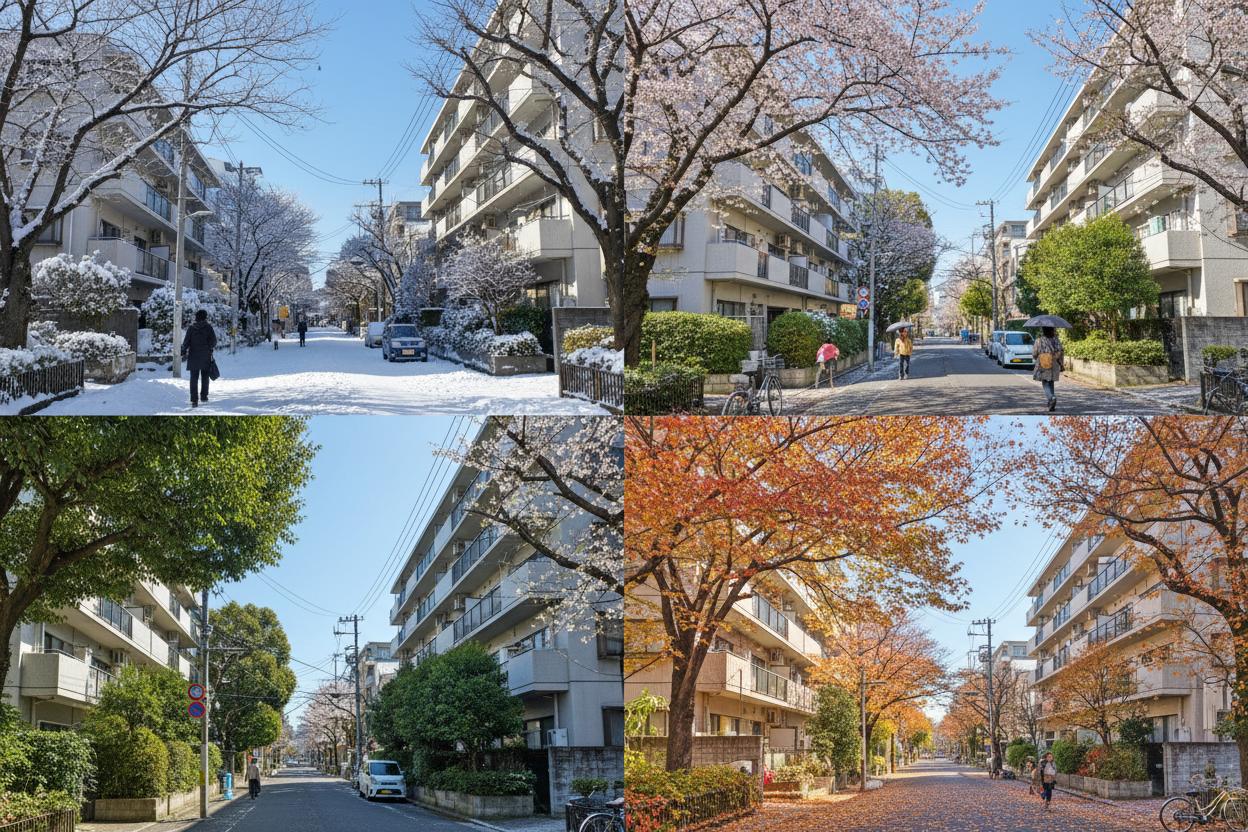
Winters here are cold and snowy, though not Hokkaido-level. Sendai gets about 50–80cm of snow per winter, usually in a few concentrated dumps. January temperatures average -1°C to 3°C. Summer is warm and humid but shorter than Tokyo — the real heat only lasts about 6 weeks, mid-July through August.
The big selling point is the genuine four-season experience. Spring arrives in late April (cherry blossoms two weeks later than Tokyo). Summer is hot but manageable. Autumn foliage in the mountains is spectacular. Winter is real but not brutal.
Apartments in this zone are often older and cheaper. A 1K in central Sendai runs ¥50,000–¥80,000. Many buildings predate modern insulation standards, so check the construction year carefully. Utility costs split the difference between Tokyo and Hokkaido: summer AC bills hit ¥7,000–¥10,000, winter heating around ¥10,000–¥15,000.
3. Sea of Japan Side — Snow Country
Cities: Kanazawa, Niigata, Toyama, Fukui
Climate type: Humid subtropical with heavy winter precipitation
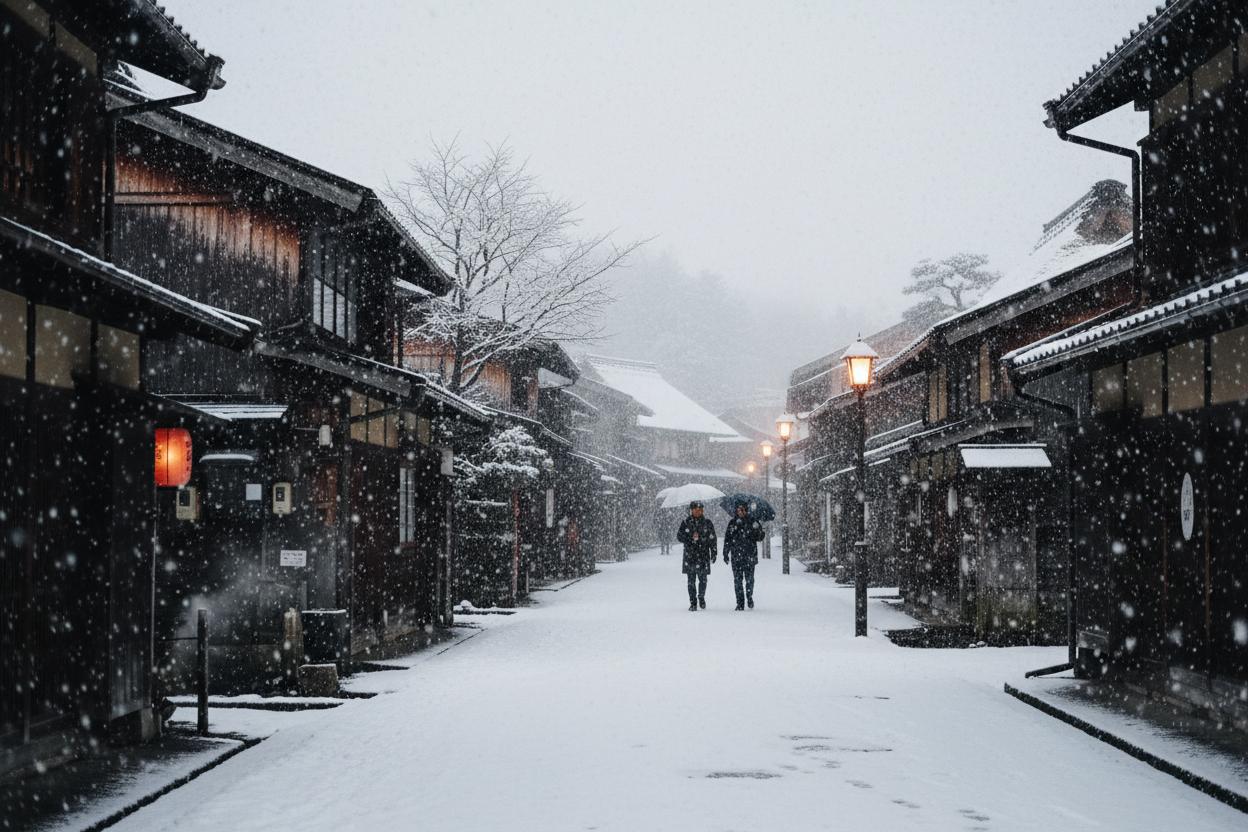
This is the wildcard zone. Cities on the Sea of Japan coast get hammered by winter monsoons that pick up moisture from the sea and dump it as snow on the mountains and coastal plains. Niigata and Kanazawa routinely see 3–4 meters of snow per winter. In some mountain towns, 10 meters isn't unusual.
The snow is wet and heavy, not the dry powder Hokkaido gets. This matters for your daily life. Wet snow sticks to everything. It bends trees. It weighs down power lines. It makes walking genuinely difficult when the sidewalks aren't cleared — and in residential areas, you're responsible for clearing the sidewalk in front of your building.
Here's the surprising part: summers on the Sea of Japan side are actually less humid than the Pacific side. Kanazawa in August is more comfortable than Tokyo. You get a sea breeze. The heat doesn't trap in the urban concrete the same way.
Rent here is the hidden gem of Japan relocation. A 1K in Kanazawa runs ¥55,000–¥85,000. Niigata is even cheaper — ¥45,000–¥70,000. The catch? Winter heating costs. Most older apartments use kerosene stoves for heating, and a single fill-up costs ¥3,000–¥5,000. You'll fill up every 2–3 weeks in January and February. Budget ¥15,000–¥22,000 per month for winter heating.
Health considerations on the Sea of Japan side
Winter depression is notably common here. The heavy cloud cover during snow season — sometimes 20+ consecutive days without seeing the sun — affects mood more than people expect. If you're sensitive to seasonal changes, this zone requires preparation: light therapy lamps, Vitamin D supplements, and possibly a plan to travel south for a week in February.
4. Pacific Side / Inland — Hot, Humid, Expensive
Cities: Tokyo, Yokohama, Nagoya, Kyoto, Kobe
Climate type: Humid subtropical
This is where most foreigners end up, and it's the most expensive zone by far. Tokyo, Nagoya, Kyoto, Osaka — all of them sit in the same broad climate band characterized by hot, humid summers and mild, short winters. And "humid" isn't a casual description here. It's a physical force you have to plan around.
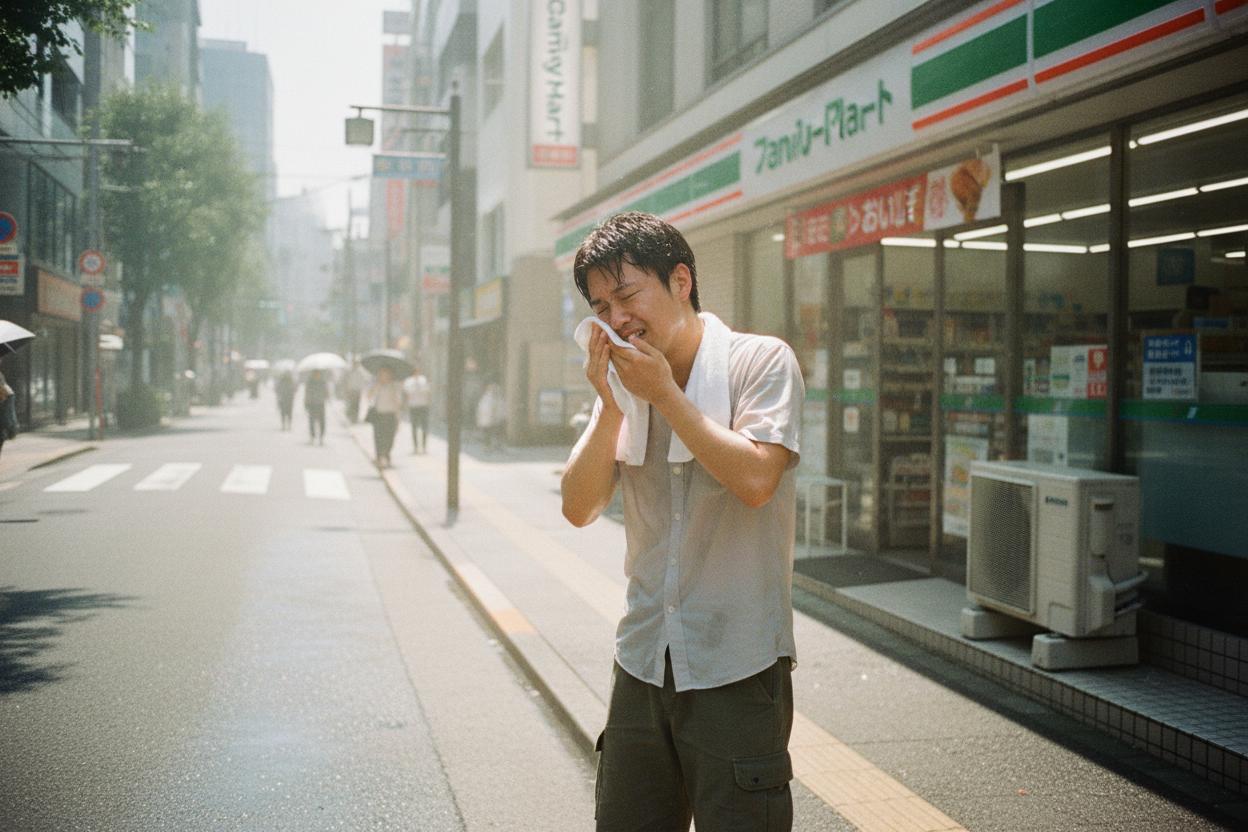
Let's talk about Tokyo summers specifically. From mid-June through mid-September, the humidity rarely drops below 65%. In July and August, it hovers around 75–80%. Combine that with temperatures of 30–35°C, and you get a heat index that regularly exceeds 40°C. The Japanese government issues heat stroke alerts on the majority of summer days. Convenience stores sell handheld fans, cooling towels, and salt tablets at the front counter because people need them to walk home.
Your apartment will be hot. Very hot. Japanese apartments have thin walls, minimal insulation, and no central AC. You'll have one wall-mounted AC unit, usually in the living area, and you'll run it 12–16 hours per day. The bedroom won't cool properly unless you buy a separate unit or get creative with fans. Our survey data shows Tokyo electricity bills of ¥12,000–¥18,000 in July and August for a 1K apartment.
Winters are mild by temperature — January lows around 2°C in Tokyo — but feel colder than the number suggests because buildings have no central heating. You'll use a kotatsu (heated table), space heaters, or your AC's heat function. The cold is damp and penetrates through thin walls. We know people from Canada and Northern Europe who say Tokyo winter feels colder than -10°C back home because at least Canadian houses have insulation.
Typhoons hit this zone directly, usually August through October. They're tracked well in advance, so you get plenty of warning. But when they come, you'll need food and water for 24–48 hours, and your train line will almost certainly stop running.
| City | 1K Rent Range | Summer Humidity | Peak AC Bill | Typhoon Risk |
|---|---|---|---|---|
| Tokyo (23 wards) | ¥95,000–¥180,000 | 75–80% | ¥12,000–¥18,000 | High (Aug–Oct) |
| Yokohama | ¥80,000–¥150,000 | 72–78% | ¥10,000–¥16,000 | Medium |
| Nagoya | ¥60,000–¥100,000 | 70–76% | ¥9,000–¥14,000 | Medium-High |
| Kyoto | ¥65,000–¥110,000 | 70–75% | ¥9,000–¥14,000 | Low |
5. Seto Inland Sea — The Sweet Spot
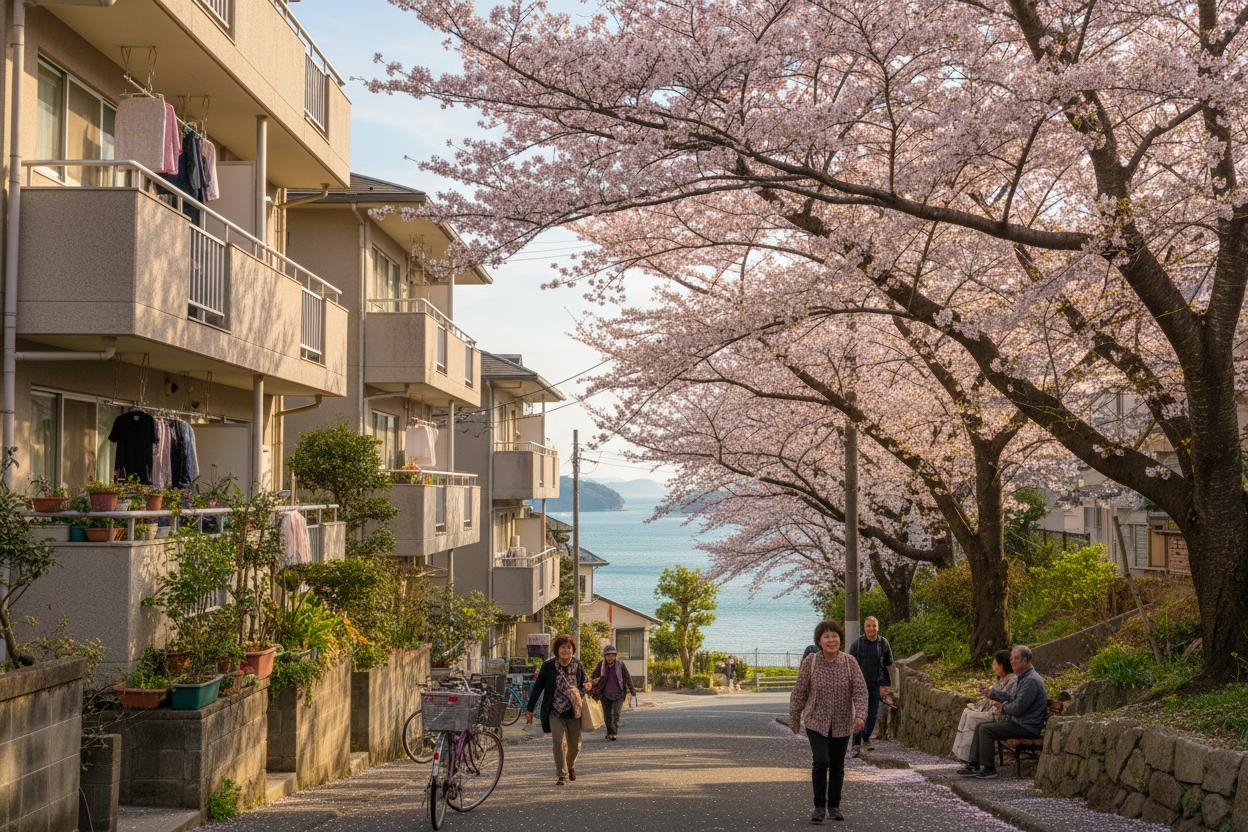
Cities: Hiroshima, Okayama, Takamatsu, Matsuyama
Climate type: Humid subtropical, rain-shadow effect
The Seto Inland Sea area sits in a rain shadow created by mountains on both sides. This makes it drier than the Pacific coast — about 30% less annual rainfall than Tokyo. The humidity is lower in summer. The winters are milder than the Sea of Japan side because the mountains block the cold monsoon winds.
If you're looking for a balanced climate in Japan, this is arguably the best zone. Hiroshima in August is still hot but noticeably less sticky than Tokyo. Winter temperatures rarely drop below 3°C. Cherry blossoms arrive around late March. The Seto Inland Sea itself is beautiful — calm, dotted with islands, and lined with cycling paths.
Rent is reasonable. A 1K in central Hiroshima runs ¥50,000–¥80,000. Okayama is similar. These are proper cities with good infrastructure, direct Shinkansen connections to Tokyo and Osaka, and significantly lower costs. The only downside? Fewer English-speaking services than Tokyo, though that's changing rapidly with remote work migration.
Summer electricity runs ¥8,000–¥13,000. Winter heating is minimal — ¥4,000–¥7,000. You might not need heating at all in December some years.
6. Southern / Subtropical — Year-Round AC
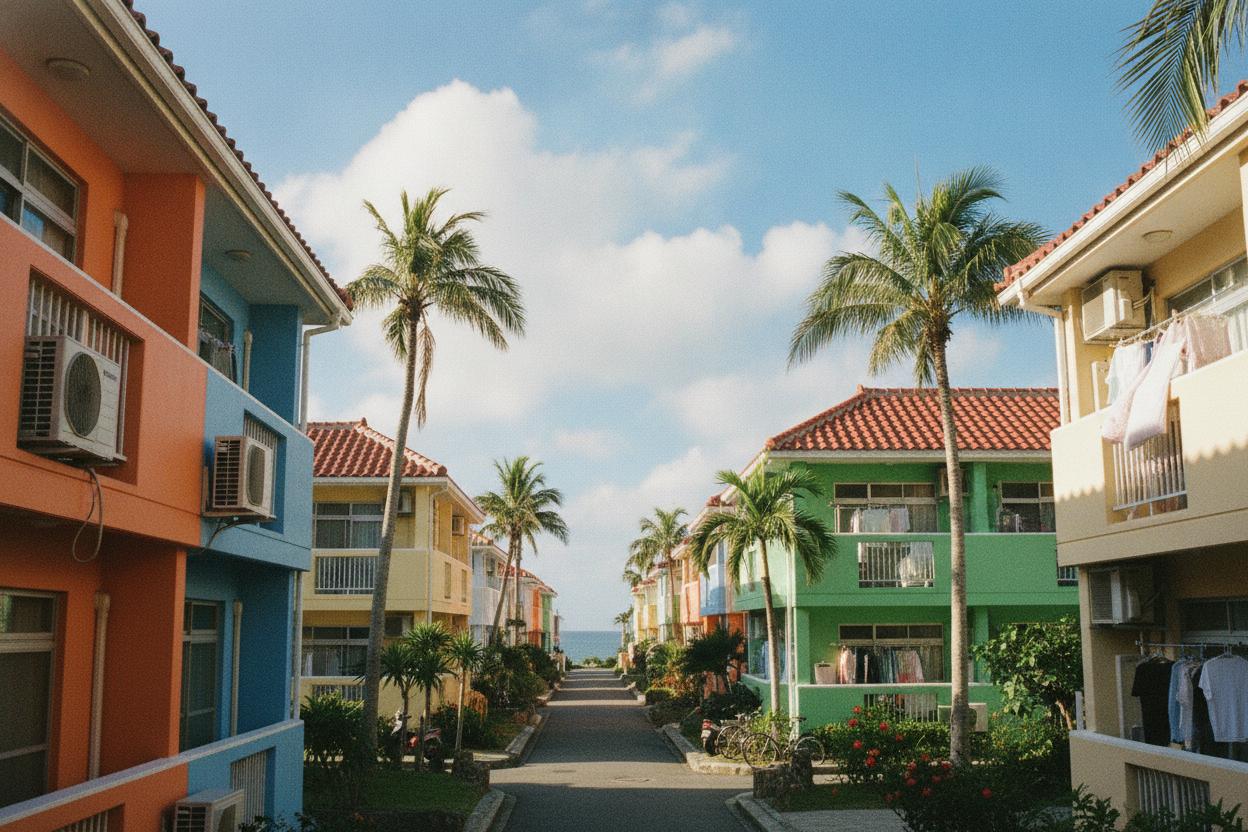
Cities: Fukuoka, Kagoshima, Naha (Okinawa), Miyazaki
Climate type: Humid subtropical to tropical
This zone covers Kyushu and Okinawa, and it's the warmest part of Japan. Fukuoka, the northernmost city in this group, has mild winters — rarely below 5°C — and hot, humid summers that rival Tokyo. Move further south to Kagoshima or Okinawa, and you're in tropical territory.
Okinawa is a special case. The temperature rarely drops below 15°C even in January. But summer is long and intense — 30°C+ from May through October. The humidity is oppressive. And the AC runs essentially year-round, except for maybe December and January. Typhoons hit Okinawa harder and more frequently than anywhere else in Japan. September is typhoon month, and it's not uncommon to shelter in place for a full day while a Category 4+ storm passes directly overhead.
The other factor in this zone is the insects. Cockroaches are larger and more common than in northern Japan. You'll need mesh screens on every window. Mosquitoes are active for more months. Gekko (small lizards) are common and actually helpful — they eat bugs — but if you're not used to sharing your apartment with reptiles, it takes adjustment.
Rent in Fukuoka is the standout value: ¥55,000–¥90,000 for a decent 1K. Okinawa varies wildly — Naha is ¥50,000–¥85,000, but rural Okinawa can be half that. The trade-off is the utility costs: budget ¥10,000–¥16,000 for electricity running AC 8–10 months of the year.
Health considerations in the south
Heat stroke is the primary risk from May through October. Okinawa has the highest heat stroke hospitalization rate in Japan. Dehydration happens faster than you expect in tropical humidity. On the plus side, seasonal affective disorder is almost nonexistent — you'll get plenty of sunlight year-round. And pollen counts are lower than the main islands, though some local plants trigger allergies.
Summary: Which Zone Fits You?
| Zone | Best For | Rent (1K) | Annual Utilities | Main Challenge |
|---|---|---|---|---|
| Hokkaido | Hate humidity, love winter | ¥45,000–¥75,000 | ¥150,000–¥200,000 | Heating costs, snow |
| Northern Honshu | Balance, real seasons | ¥50,000–¥80,000 | ¥120,000–¥160,000 | Job market smaller |
| Sea of Japan | Budget, culture | ¥45,000–¥85,000 | ¥160,000–¥220,000 | Heavy snow, cloudy |
| Pacific / Inland | Jobs, convenience | ¥65,000–¥180,000 | ¥140,000–¥200,000 | Humidity, rent |
| Seto Inland Sea | Climate sweet spot | ¥50,000–¥80,000 | ¥100,000–¥140,000 | Fewer English services |
| Southern / Subtropical | Warmth, low rent | ¥50,000–¥90,000 | ¥140,000–¥200,000 | Year-round AC, typhoons |
The right zone depends on what you can tolerate and what you prioritize. If humidity is your enemy, Hokkaido or the Sea of Japan side might be your answer despite the winter challenges. If you want the easiest adjustment as a foreigner, the Pacific side cities offer the most English support — at a price. And if you want the best climate-to-cost ratio, the Seto Inland Sea is hard to beat.
Next, read our detailed cost of living breakdown for your target city, or check our apartment hunting checklist to know what to look for when you tour places.