When you search "cost of living Tokyo," you get rent numbers. Maybe food estimates. But you won't find the figure that shocked us most in our first year: the ¥18,000 electricity bill in August. Or the ¥22,000 we spent on kerosene in January in Niigata. Climate costs are real, they're significant, and they vary dramatically by city. This guide breaks down the monthly numbers that actually show up in your mailbox.
Tokyo (23 Wards) — The Baseline
Tokyo is the reference point everyone uses, so let's start here. A single person in a 1K apartment in central Tokyo spends roughly ¥200,000–¥300,000 per month total, with rent eating 40–60% of that. But the climate-related costs are where it gets interesting.
| Expense | Low | High | Notes |
|---|---|---|---|
| Rent (1K, 25–30sqm) | ¥80,000 | ¥200,000 | Shinjuku vs. Nerima |
| Electricity (summer) | ¥10,000 | ¥18,000 | AC all night |
| Electricity (winter) | ¥6,000 | ¥10,000 | AC heat mode + space heater |
| Electricity (mild months) | ¥3,500 | ¥5,500 | Apr–May, Oct–Nov |
| Gas | ¥3,000 | ¥5,000 | Hot water + cooking |
| Water | ¥2,000 | ¥3,000 | Flat rate in many buildings |
| Dehumidifier electricity | ¥1,500 | ¥2,500 | Jun–Sep only |
So your total climate-influenced monthly spend in Tokyo, on top of rent, runs between ¥16,000 in the mildest months and ¥30,000+ in peak summer. That's an extra ¥168,000–¥288,000 per year just to keep your apartment habitable. Over a two-year lease, you're looking at ¥336,000–¥576,000 in utility costs alone. It's not pocket change.
The biggest factor is your building's age. Pre-2015 buildings in Tokyo are typically poorly insulated. The walls are thin concrete or wood frame. Windows are single-pane. Your AC works overtime because the cool air leaks out and the hot humid air leaks in. Newer buildings with "high insulation" (高断熱) certification cost 15–25% more in rent but can cut your electricity bill by 30–40%. Do the math on a 2-year lease — the premium rent often pays for itself.
Osaka — Cheaper Than Tokyo, Hotter in Summer
Osaka runs about 30% cheaper than Tokyo on rent. The utility picture is more nuanced. Summers are actually hotter and slightly more humid than Tokyo, so your AC costs are comparable or slightly higher. But winters are shorter and milder, so you save on heating.
| Expense | Low | High | Notes |
|---|---|---|---|
| Rent (1K, 25–30sqm) | ¥60,000 | ¥130,000 | Namba vs. Umeda |
| Electricity (summer) | ¥9,000 | ¥15,000 | Aug is brutal |
| Electricity (winter) | ¥4,000 | ¥6,000 | Mild, short winter |
| Gas | ¥2,500 | ¥4,500 | City gas, cheaper than Tokyo |
| Water | ¥1,800 | ¥2,500 | Same as Tokyo |
Annual utility savings vs. Tokyo: roughly ¥40,000–¥60,000. Combined with rent savings of ¥300,000–¥600,000 per year, Osaka is significantly more affordable for the same standard of living. The catch? The job market is smaller, and English-speaking services are less common outside of tourism areas. If you work remotely, this matters less.
Fukuoka — Subtropical Savings, Subtropical Bills
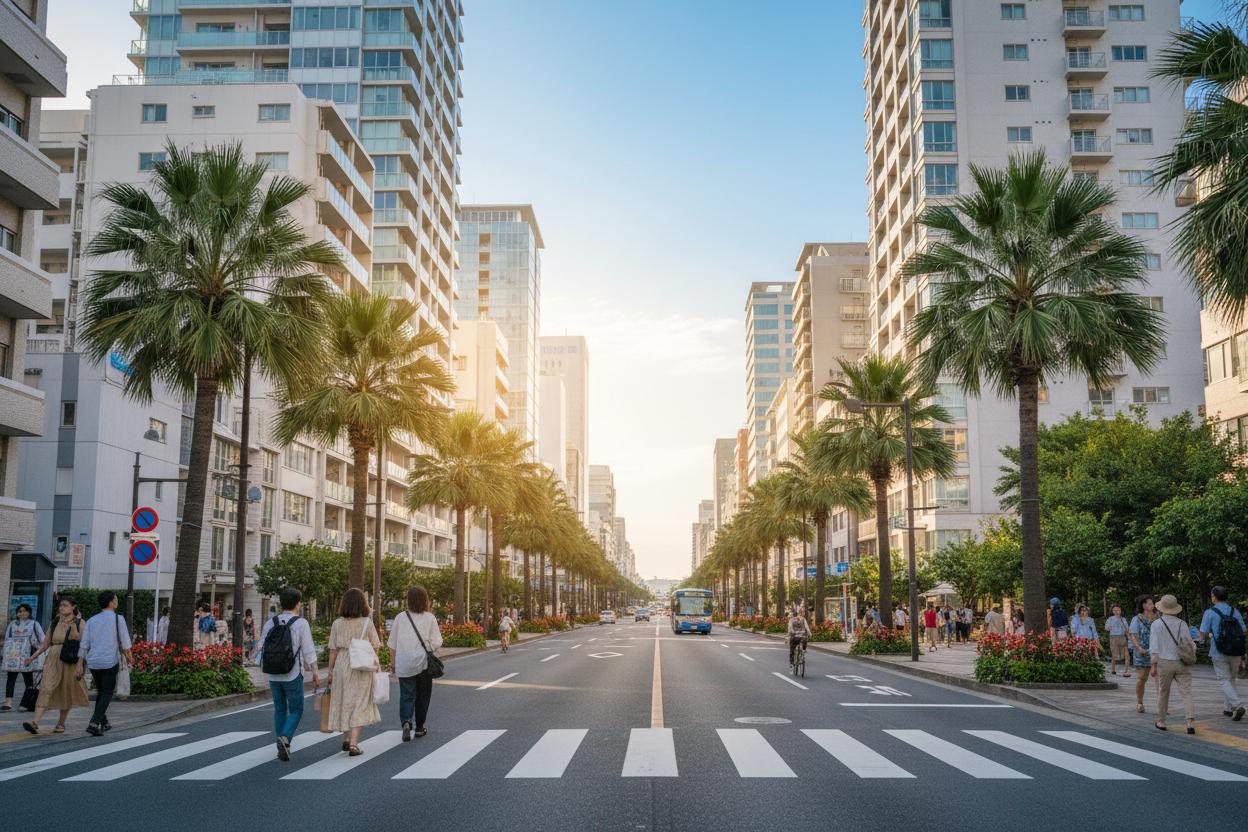
Fukuoka is the fastest-growing city in Japan for remote workers, and the climate costs explain part of why. Rent is low. Winter heating is almost nonexistent. But the AC runs a long season.
| Expense | Low | High | Notes |
|---|---|---|---|
| Rent (1K, 25–30sqm) | ¥50,000 | ¥100,000 | Hakata vs. suburbs |
| Electricity (summer) | ¥8,000 | ¥14,000 | Long season: Apr–Nov |
| Electricity (winter) | ¥2,000 | ¥3,500 | Almost no heating needed |
| Gas | ¥2,500 | ¥4,000 | |
| Water | ¥1,800 | ¥2,500 |
The annual utility total in Fukuoka is surprisingly close to Tokyo — about ¥10,000–¥15,000 less per year. The real savings come from rent. A ¥60,000 apartment in Fukuoka is often newer and larger than a ¥120,000 equivalent in Tokyo. If your income is location-independent, Fukuoka offers the best cost-to-quality ratio in Japan's major cities.
Sapporo — Cheap Rent, Expensive Winters
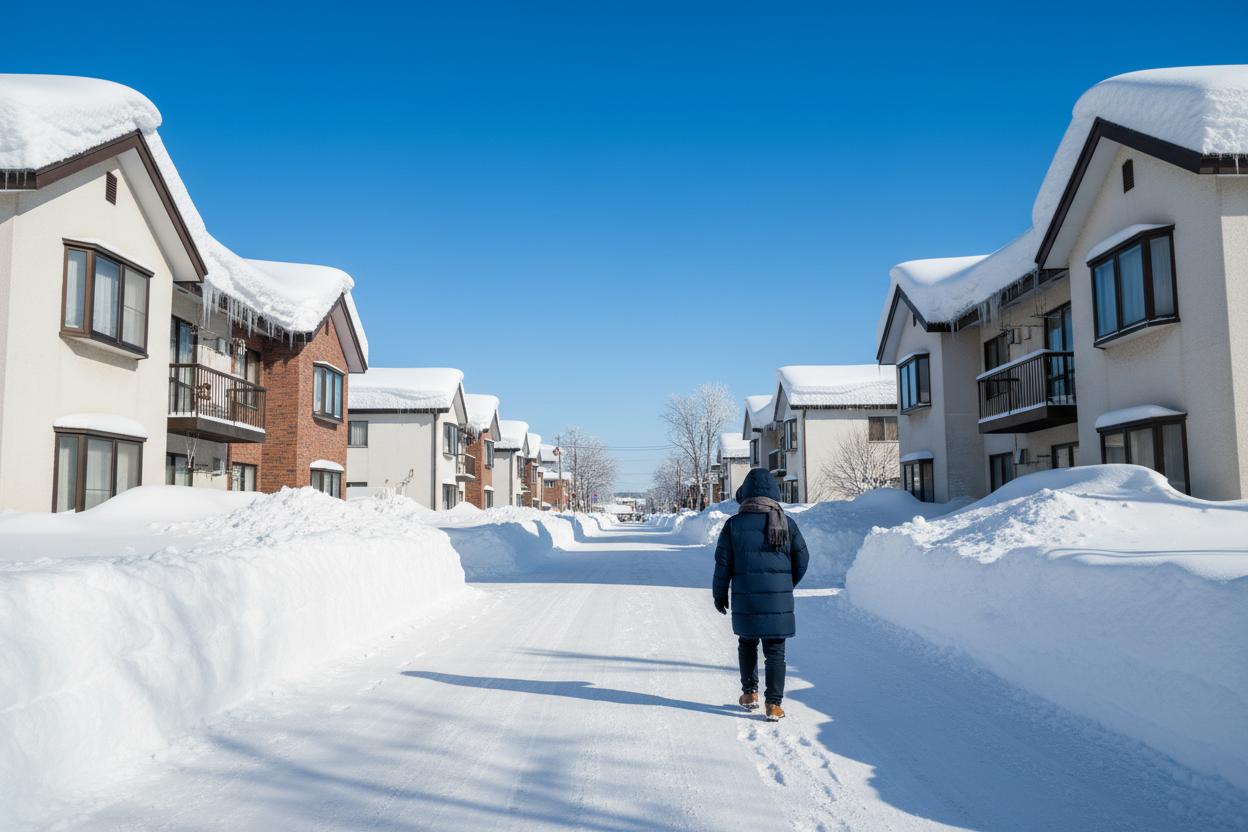
Sapporo flips the script. The rent is the cheapest of any major Japanese city. The summer electricity bill is a joy — ¥3,000–¥5,000 because you barely need AC. But winter? Winter hits hard.
| Expense | Low | High | Notes |
|---|---|---|---|
| Rent (1K, 25–30sqm) | ¥45,000 | ¥90,000 | Susukino vs. suburbs |
| Electricity (summer) | ¥3,000 | ¥5,000 | Fan weather |
| Electricity (winter) | ¥8,000 | ¥15,000 | Heating demand |
| Gas | ¥5,000 | ¥8,000 | Hot water + heating |
| Kerosene (stove heating) | ¥5,000 | ¥12,000 | Dec–Mar, older buildings |
| Water | ¥1,500 | ¥2,500 |
That kerosene line is important. Many Sapporo apartments, especially older ones, rely on kerosene stoves for heating. You fill up plastic tanks at gas stations (¥90–¥110 per liter) and haul them home. A 20-liter fill lasts about 2 weeks in January. It's manual, it smells slightly, and it's expensive. But it produces heat that electric can't match. Newer buildings have switched to city gas heating or heat pumps, which is cleaner but costs about the same.
Total winter utility spend in Sapporo: ¥18,000–¥35,000 per month from December through March. Summer is ¥7,000–¥12,000. The annual total is actually comparable to Tokyo, but the distribution is radically different — heavy in winter instead of summer.
Okinawa — AC Runs 10 Months
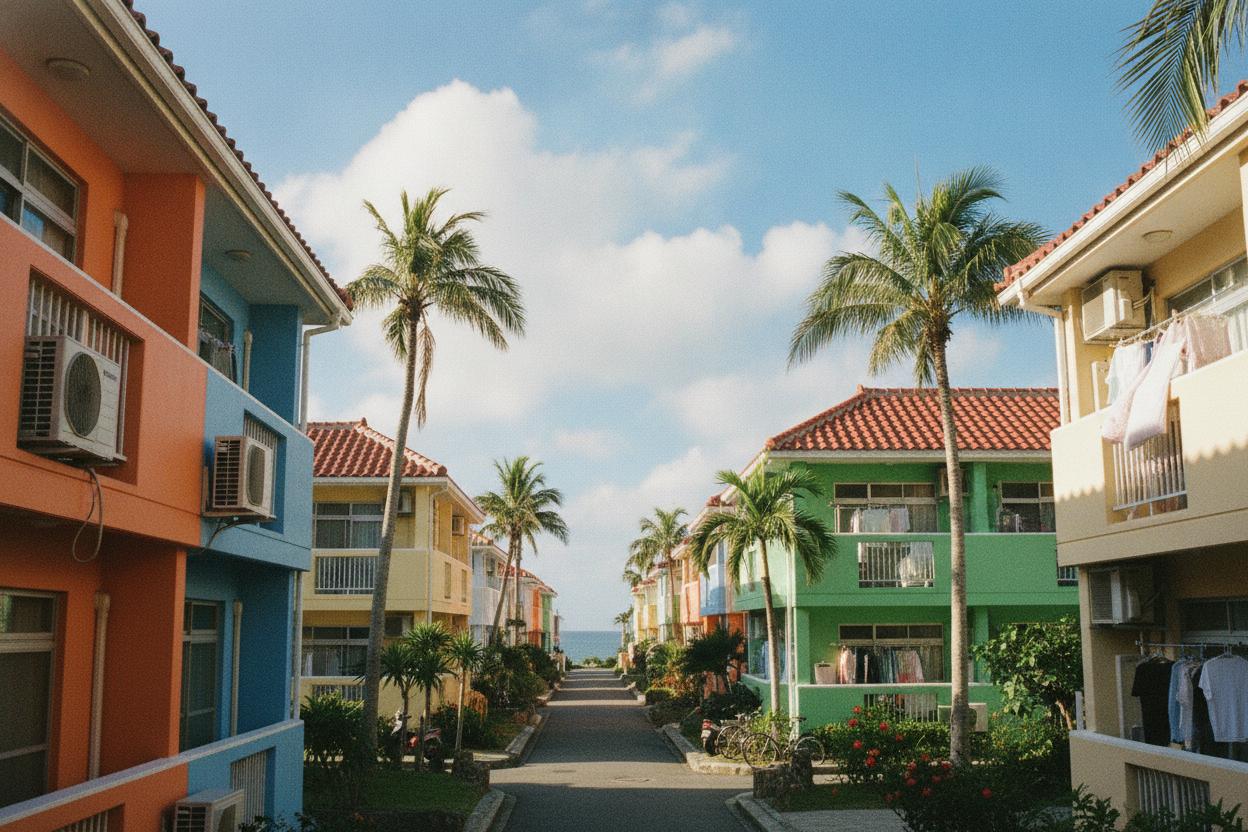
Okinawa is often marketed as a paradise for remote workers. The rent is reasonable, the beaches are beautiful, and the lifestyle is slow. But the climate costs are persistent.
| Expense | Low | High | Notes |
|---|---|---|---|
| Rent (1K, 25–30sqm) | ¥50,000 | ¥95,000 | Naha vs. remote areas |
| Electricity (year-round) | ¥8,000 | ¥16,000 | AC 10 months |
| Electricity (Dec–Jan only) | ¥4,000 | ¥6,000 | No AC needed |
| Gas | ¥2,000 | ¥3,500 | LP gas, more expensive |
| Water | ¥2,000 | ¥3,000 |
Okinawa uses LP gas (propane) rather than city gas, which is more expensive per unit. And the humidity means dehumidifiers run almost year-round. Budget ¥1,500–¥2,500 per month for that. The good news: no heating costs. The bad news: that savings is eaten by the extended AC season.
Kanazawa — The Kerosene Factor
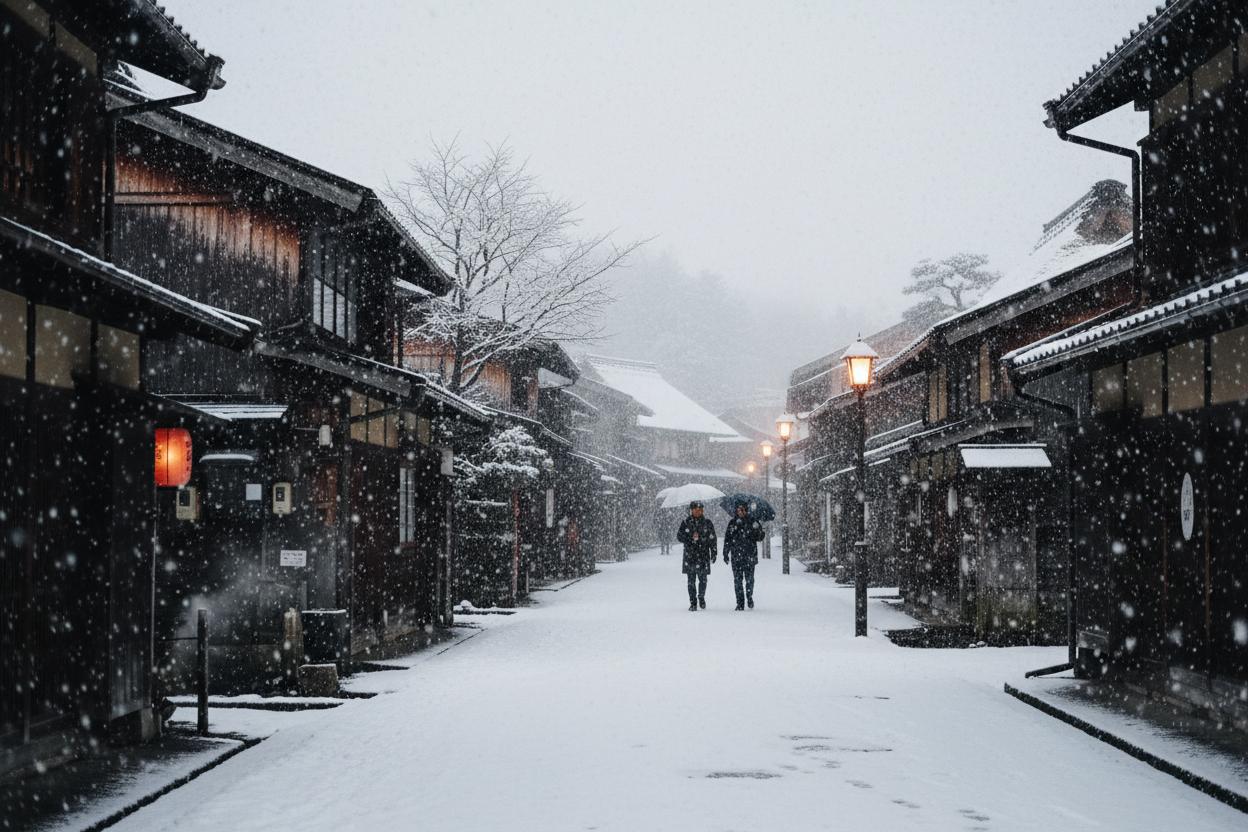
Kanazawa is our representative for the Sea of Japan snow country. It's beautiful, culturally rich, and affordable. But the winter heating costs are among the highest in Japan.
| Expense | Low | High | Notes |
|---|---|---|---|
| Rent (1K, 25–30sqm) | ¥55,000 | ¥95,000 | |
| Electricity (summer) | ¥7,000 | ¥11,000 | |
| Electricity (winter) | ¥5,000 | ¥8,000 | |
| Kerosene (heating) | ¥15,000 | ¥25,000 | Primary heat source |
| Gas | ¥3,000 | ¥5,000 | |
| Water | ¥1,500 | ¥2,500 |
Yes, that kerosene figure is correct. ¥15,000–¥25,000 per month for heating alone, December through February. Kanazawa's heavy, wet snow and cold winds make electric heating impractical for older buildings. Kerosene stoves are the standard. You get used to the routine — filling the tank, trimming the wick, ventilating the room — but it's a significant monthly cost that doesn't show up in rent comparisons.
Insulation: The Hidden Cost Multiplier
Japanese apartments are cheap to rent and expensive to heat and cool. The insulation is basically origami. This isn't an exaggeration — walk into a 1980s apartment in Tokyo in January and the indoor temperature might be 9°C. In August, it'll be 31°C and 80% humidity within an hour of turning off the AC.
The turning point was 2015, when Japan tightened building energy standards. Apartments built after 2015 with "high insulation" (高断熱) and "high airtightness" (高気密) certification are dramatically more comfortable. The walls are thicker. Windows are double-pane with Low-E coating. The AC doesn't work as hard because the temperature actually stays inside.
Here's what this means for your budget. A pre-2015 1K in Koenji might cost ¥85,000/month with summer electricity of ¥15,000. A post-2015 1K in the same area might cost ¥105,000/month with summer electricity of ¥9,000. That's ¥20,000 more rent but ¥6,000 less electricity, or ¥72,000 saved over a year. Over a 2-year lease, the newer apartment costs ¥480,000 more in rent but saves ¥144,000 in electricity. The net premium is ¥336,000, or ¥14,000 per month — and you're dramatically more comfortable.
How to spot a well-insulated apartment? Look for these on Suumo or Homes listings:
- 高断熱 (high insulation) or 高気密 (high airtightness) in the description
- Built 2015 or later — this is the easiest filter to apply
- Double-pane windows — 複層ガラス or ペアガラス on the listing
- All-electric — オール電化 — usually means better insulation because the builder committed to electric heating
Kerosene vs. Electric Heating
If you're moving to Hokkaido, Tohoku, or the Sea of Japan side, you'll face the kerosene vs. electric choice. Here's the honest breakdown.
Kerosene produces more heat per yen than electricity. A kerosene fan heater can warm a 6-tatami room in 10 minutes. An electric panel heater takes 30 minutes for the same space. But kerosene has downsides: you have to buy it and transport it, it produces a slight odor, it requires ventilation (which lets cold air in), and there's a small but real fire risk if you knock the unit over.
Electric heating is cleaner, safer, and requires no maintenance. But it's expensive. A typical electric space heater running 8 hours per day will add ¥8,000–¥12,000 to your monthly bill. In Hokkaido, where you need heat 6 months of the year, that's ¥48,000–¥72,000 annually just for one room.
Our recommendation: if your apartment has city gas (都市ガス), a gas fan heater is the best middle ground. Efficient, fast, no hauling fuel. If you're stuck with kerosene, buy a modern fan heater with a digital thermostat and tip-over shutoff. Don't cheap out on a 20-year-old unit from a recycle shop.
Mold Prevention: A Monthly Budget Line
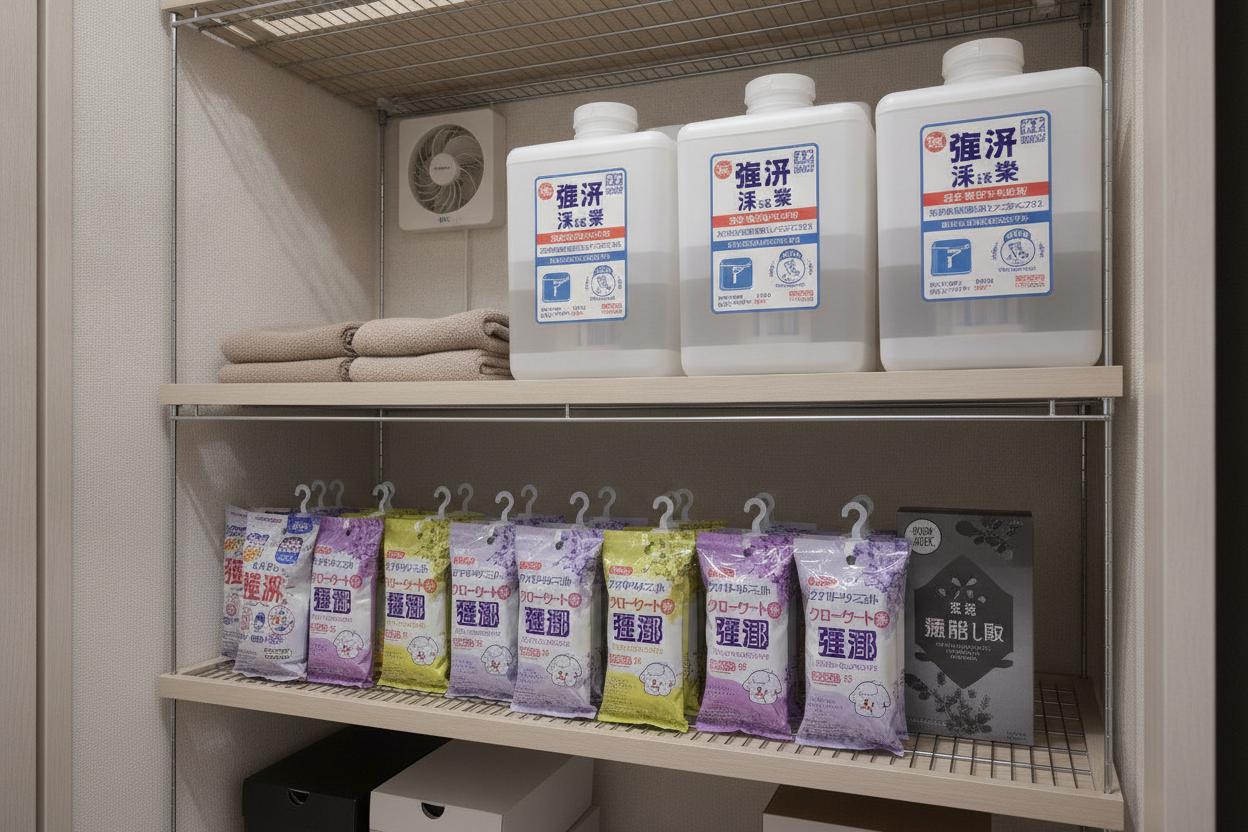
If you live anywhere on the Pacific side — Tokyo, Osaka, Nagoya, Fukuoka — mold is not an "if." It's a "when." Japanese humidity will find every surface that doesn't move and grow something on it. We've lost shoes, a leather bag, and the backing of a bathroom mirror to mold. It sounds dramatic until it happens to you.
Budget for prevention:
- Dehumidifier: ¥8,000–¥25,000 upfront, then ¥1,500–¥2,500/month in electricity (June–September)
- Moisture absorbers: ¥100 per disposable pack at Daiso. You'll use 10–15 per month across closets, drawers, and shoe racks. Annual cost: ¥12,000–¥18,000
- Bathroom ventilation: Run the built-in fan 24/7. It adds maybe ¥500/month to your bill but prevents the worst mold buildup
- Closet fans: Small battery-powered fans that circulate air in closed spaces. ¥1,500–¥3,000 each
Total mold prevention budget: ¥2,000–¥3,500 per month during humid season. It's annoying. It's not optional.
The Annual Total: City by City
| City | Annual Rent (mid) | Annual Utilities | Climate Extras* | Total Annual |
|---|---|---|---|---|
| Tokyo | ¥1,560,000 | ¥168,000 | ¥24,000 | ¥1,752,000 |
| Osaka | ¥1,140,000 | ¥144,000 | ¥20,000 | ¥1,304,000 |
| Fukuoka | ¥900,000 | ¥18,000 | ¥1,050,000 | |
| Sapporo | ¥810,000 | ¥192,000 | ¥15,000 | ¥1,017,000 |
| Kanazawa | ¥900,000 | ¥240,000 | ¥18,000 | ¥1,158,000 |
| Okinawa | ¥156,000 | ¥20,000 | ¥1,046,000 |
* Climate extras = mold prevention, humidifiers, snow removal supplies, etc.
The takeaway: Tokyo costs 40–70% more than other major Japanese cities when you factor in rent and utilities together. Sapporo and Okinawa come in surprisingly close on total annual costs despite very different climates. The cheapest option overall? Fukuoka or Sapporo, depending on whether you prefer humidity or snow.
Ready to start looking? Read our Apartment Hunting Checklist to know what climate-related features to check before you sign a lease.