The Climate-Rent Connection Nobody Talks About
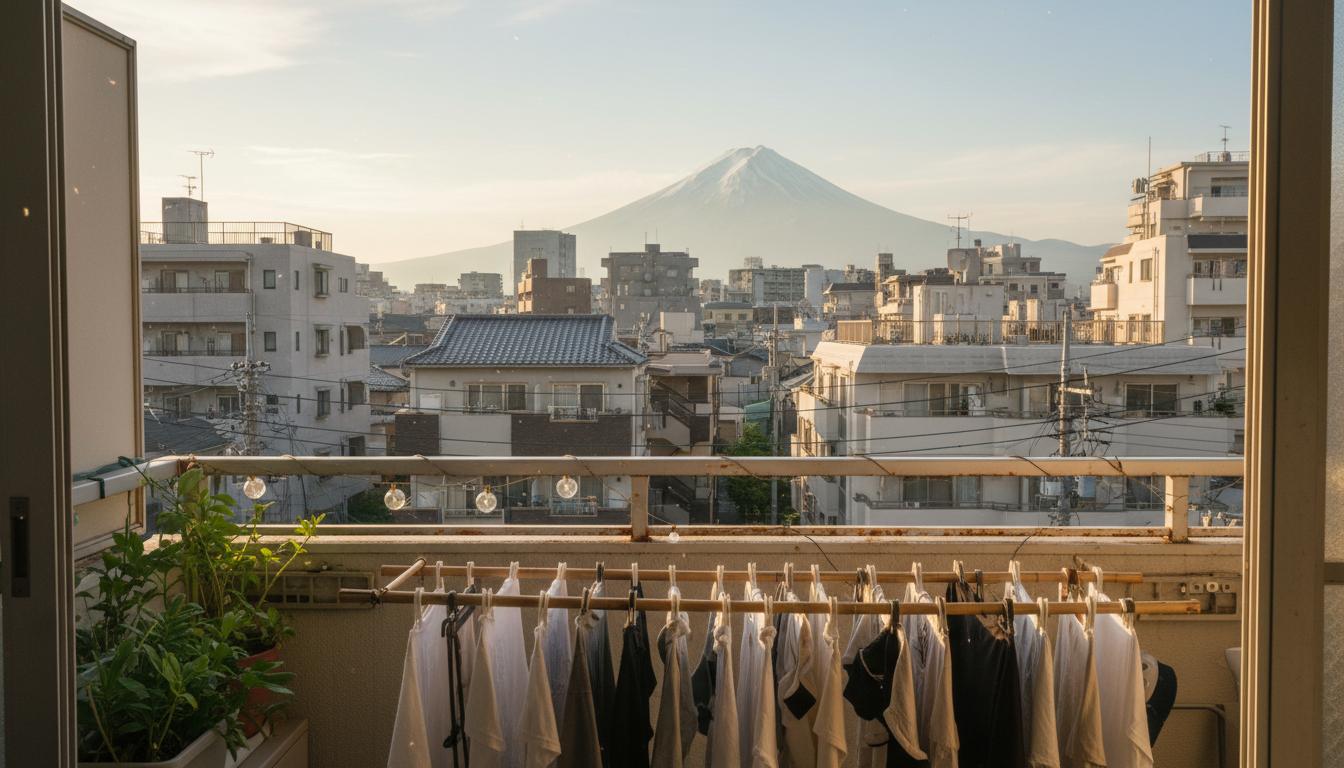
Everyone warns you about Tokyo rent. Nobody warns you about Tokyo humidity. And here's the thing: those two numbers are connected. The same sticky summer air that makes you sweat through your shirt in August is the reason your electricity bill hits ¥18,000 in July. The same Sapporo winter that dumps six meters of snow on your balcony is the reason you can rent a 2LDK for half what you'd pay in Shibuya.
We moved here without checking any of this. Brian landed in Tokyo in August and thought the apartment was broken because the AC ran 24/7 and the walls still felt damp. Mei moved from Singapore — Singapore! — and thought she knew humidity. She didn't. Tokyo in August broke her. She moved to Sapporo two years later and now pays ¥68,000 for a place that would cost ¥160,000 in Minato-ku.
So we made this guide. Not the pretty kind with cherry blossom photos and "discover the magic" captions. The kind with utility bill spreadsheets, humidity percentages, and honest talk about what it's like to dry laundry indoors for three months straight.
Three Cities, Three Climates, Three Budgets
Pick where you live based on what you can tolerate and what you can afford. Here's the quick comparison.
Tokyo: Expensive, Humid, Convenient
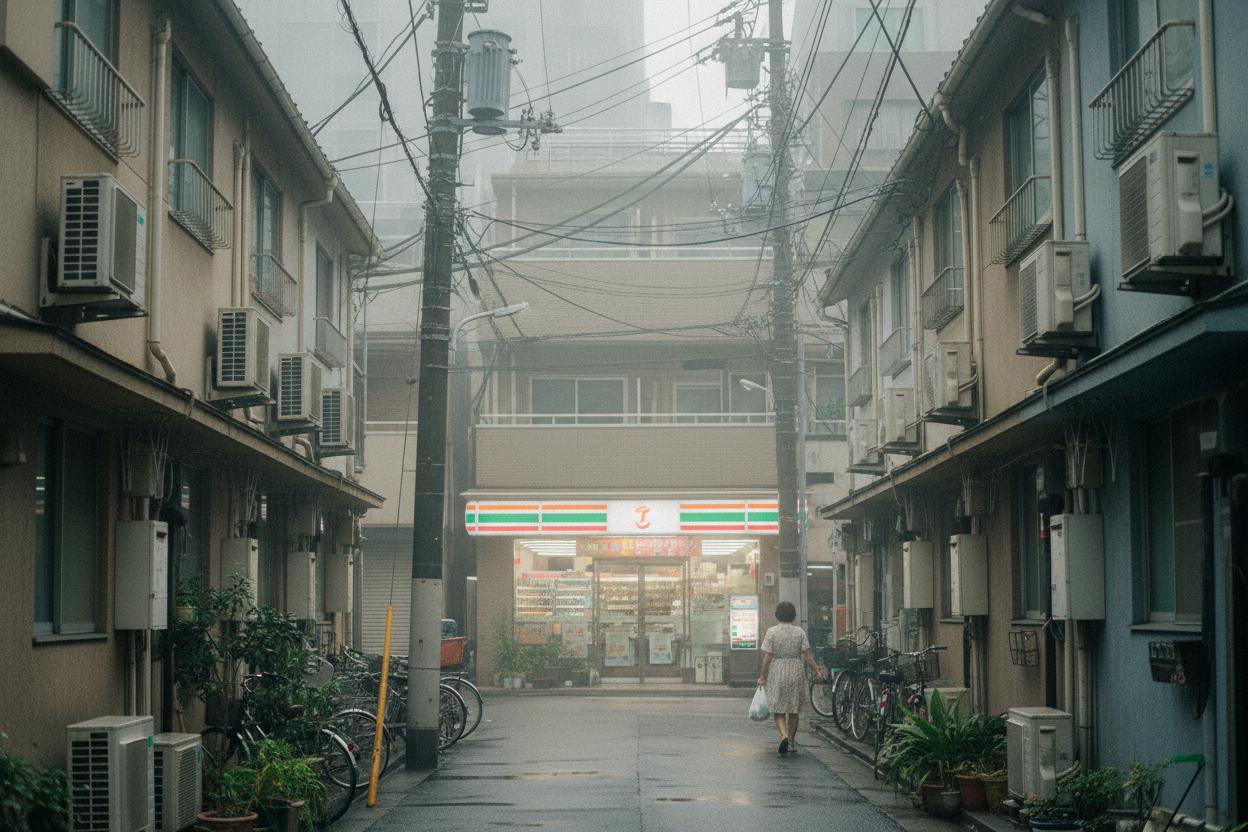
- Average rent 1K: ¥95,000–¥180,000
- Summer humidity: 78% average
- Summer electricity: ¥12,000–¥18,000/mo
- Winter low: 2°C (no central heating)
- AC needed: June–October (5 months)
- Best stations: Shimokitazawa, Koenji, Asagaya
Tokyo is great if you earn Tokyo wages. If you're remote-working for a European salary, you'll feel the rent pinch. And the humidity in August is no joke — you'll run your AC all night, and that bill adds up fast.
Osaka: Cheaper, Hotter, Louder
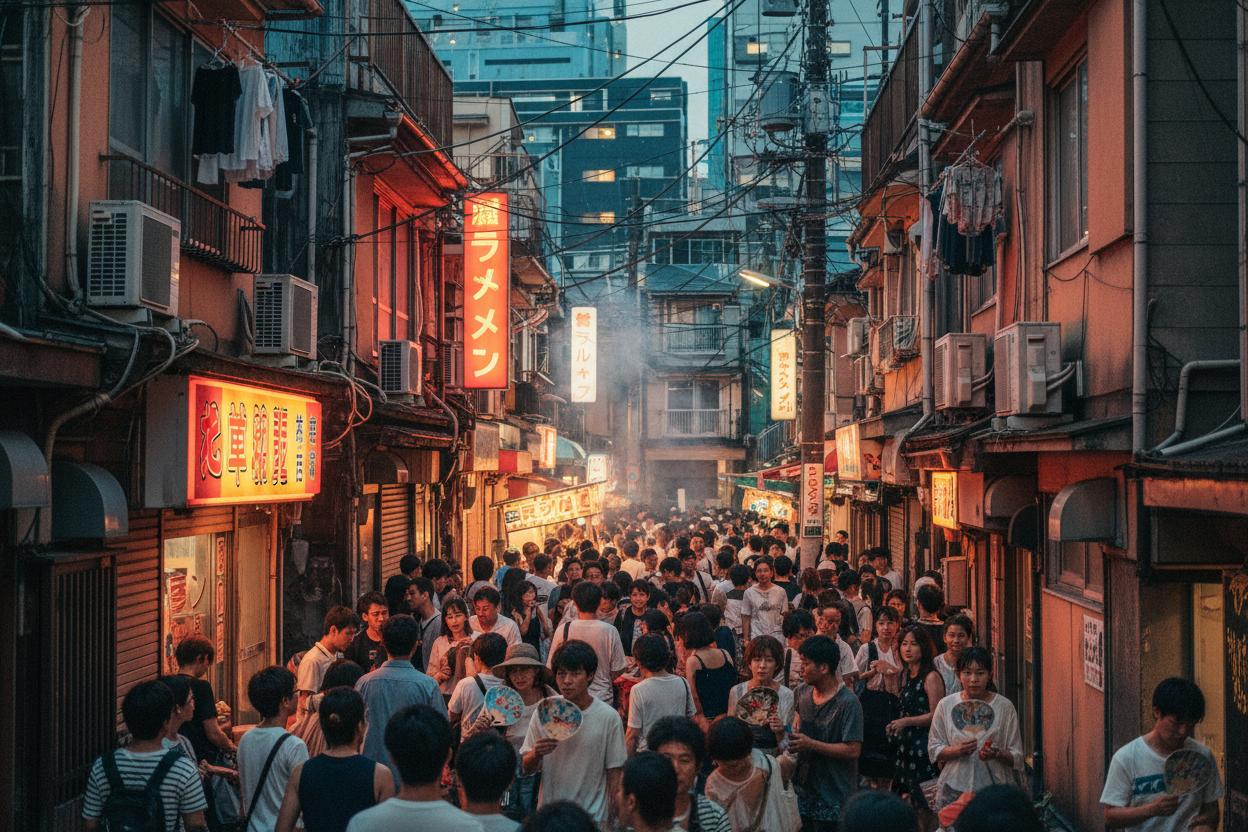
- Average rent 1K: ¥65,000–¥110,000
- Summer humidity: 80% average
- Summer electricity: ¥9,000–¥15,000/mo
- Winter low: 5°C (shorter than Tokyo)
- AC needed: June–October (5 months)
- Best areas: Namba, Umeda, Tennoji
Osaka runs about 30% cheaper than Tokyo on rent. The summers are actually hotter and more humid though, so don't expect to save on electricity. What you save on rent, you might spend on ice cream and cold showers.
Hokkaido: Cold, Cheap, Spacious
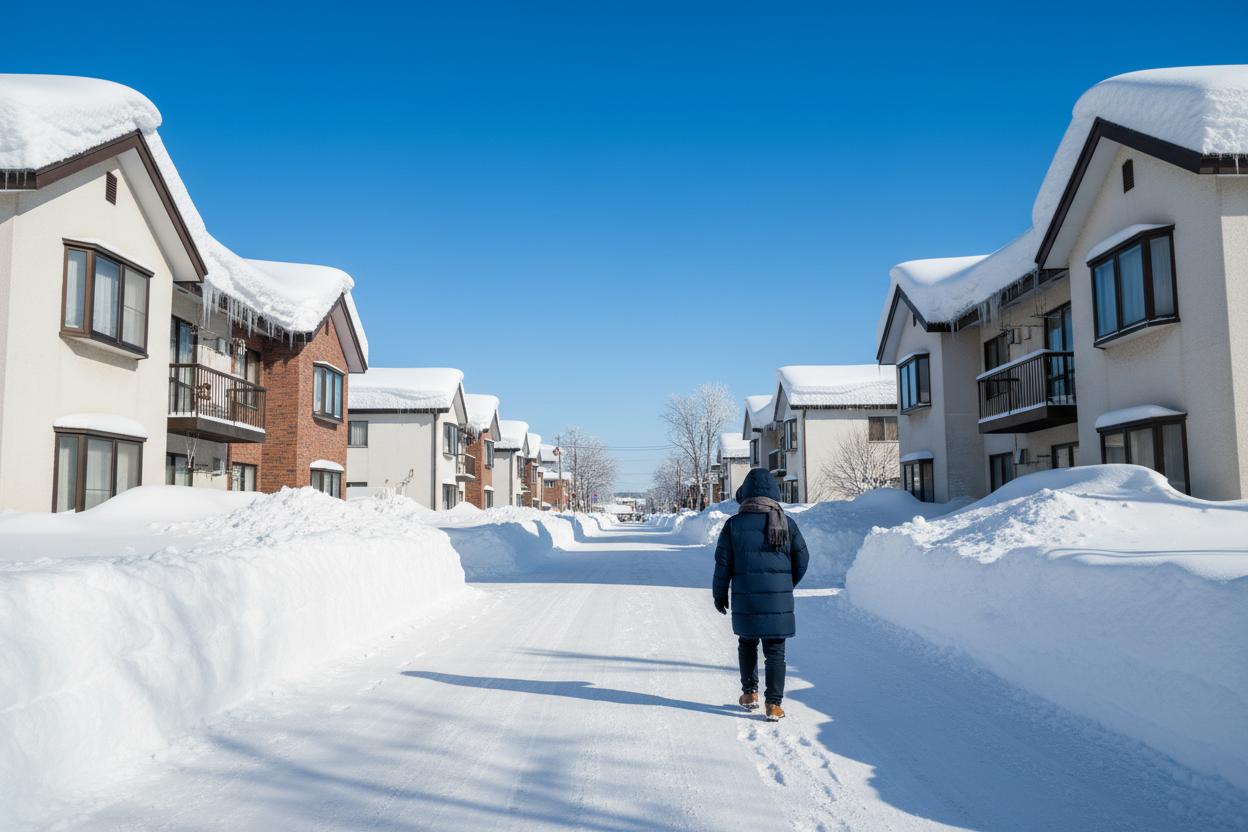
- Average rent 1K: ¥45,000–¥75,000
- January average: -10°C
- Winter heating: ¥15,000–¥25,000/mo
- Summer electricity: only ¥4,000 (perfect weather)
- Snowfall: 6+ meters annually
- Best areas: Sapporo Station, Susukino, Nakajima
Sapporo is where you go when you're done with humid summers. The rent is half of Tokyo. The summer weather is genuinely perfect — 25°C and dry. But winter is real: you'll spend serious money on heating, and you'll shovel snow.
Why Climate Matters More Than You Think
When people plan a move to Japan, they think about rent. They check Suumo, they browse Homes.co.jp, they compare neighborhoods. What they don't check is the average humidity in August. And that's a mistake that costs you money and comfort.
Here's a concrete example. A ¥80,000 apartment in Fukuoka sounds cheaper than a ¥120,000 place in Tokyo. And it is — for rent. But Fukuoka's subtropical climate means your AC runs from April through November, roughly 8 months of the year. In Tokyo, it's more like 5 months. That difference alone can erase ¥25,000–¥40,000 of your annual "savings." Factor in the typhoon risk and the pollen count, and the math changes again.
Japanese apartments are not built like Western ones. This is crucial to understand. The walls are thin. Insulation is minimal or nonexistent in buildings older than 2015. Windows are often single-pane. Central heating basically doesn't exist outside of Hokkaido. What this means: the outside temperature becomes your inside temperature very quickly. In August, your apartment will be 30°C and 75% humidity unless you run the AC constantly. In January, it'll be 8°C inside unless you heat it. The climate outside walks right through your walls.
| City | Avg Rent (1K) | Peak Summer Bill | Peak Winter Bill | AC/Heat Months |
|---|---|---|---|---|
| Tokyo (23 wards) | ¥95,000–¥180,000 | ¥12,000–¥18,000 | ¥6,000–¥10,000 | 5 cool / 3 heat |
| Osaka | ¥65,000–¥110,000 | ¥9,000–¥15,000 | ¥4,000–¥6,000 | 5 cool / 2 heat |
| Fukuoka | ¥55,000–¥90,000 | ¥8,000–¥14,000 | ¥2,000–¥3,000 | 8 cool / 1 heat |
| Sapporo | ¥45,000–¥75,000 | ¥3,000–¥5,000 | ¥15,000–¥25,000 | 1 cool / 6 heat |
| Kanazawa | ¥55,000–¥85,000 | ¥7,000–¥11,000 | ¥15,000–¥22,000* | 4 cool / 5 heat |
* Kanazawa winter heating often uses kerosene, which is expensive but necessary. More on that in our cost of living guide.
What Else Affects Your Comfort
Humidity isn't just about feeling sticky. In Japan, humidity means mold. Real, actual mold that grows on your shoes, your leather bag, and the back of your closet doors. If you live in Tokyo, Osaka, or anywhere on the Pacific side, you'll need dehumidifiers running from June through September. Budget ¥2,000/month for electricity to run them, plus ¥300–¥500 per month for disposable moisture absorbers you stuff in closets and drawers. Daiso sells them in packs of three. You'll become very familiar with Daiso.
Pollen is another factor people underestimate. Japan's cedar pollen season (called kafunsho) runs from February through April and affects about 40% of the population to some degree. Tokyo gets hit hard. Sapporo less so. If you have any history of allergies, check the pollen map before you pick a city. A cheap apartment isn't worth three months of sneezing and itchy eyes.
And then there's daylight. Tokyo in December gets about 9.5 hours of daylight. Sapporo gets 9. If you're prone to seasonal depression, the short days plus gray skies in the Sea of Japan cities (Niigata, Kanazawa) can be genuinely difficult. We know multiple expats who moved to those cities for the low rent and moved back south within 18 months because the winter gloom got to them.
Our Data Sources
All the numbers on this site come from one of two places: our own utility bills, or a survey we ran with 50+ expats across 8 Japanese cities in 2025. We don't use government averages because those include detached houses, offices, and businesses. Our data is apartment-specific and foreigner-specific. We know what a 1K in Koenji actually costs to cool in August because someone on our team lived there and kept receipts.
We update the data annually. The last full update was January 2026. You can see our methodology and our corrections log if you want full transparency on how we get these numbers.
Where to Start
If you're still deciding which city fits your climate tolerance and your budget, start with our Climate Zones guide. It breaks down all six climate regions of Japan with rent ranges, utility costs, and health considerations for each zone.
If you already know your city and want the real numbers on what you'll spend, head to our Cost of Living breakdown. We list exact figures for electricity, gas, water, and the hidden costs that don't show up in rent.
And if you're already apartment hunting, read our Apartment Hunting Checklist before you sign anything. It'll save you from learning about Japanese insulation the hard way.